Why Kingston Needs a Music Commissioner Now
By Andrea Dempster Chung, Executive Director, Kingston Creative
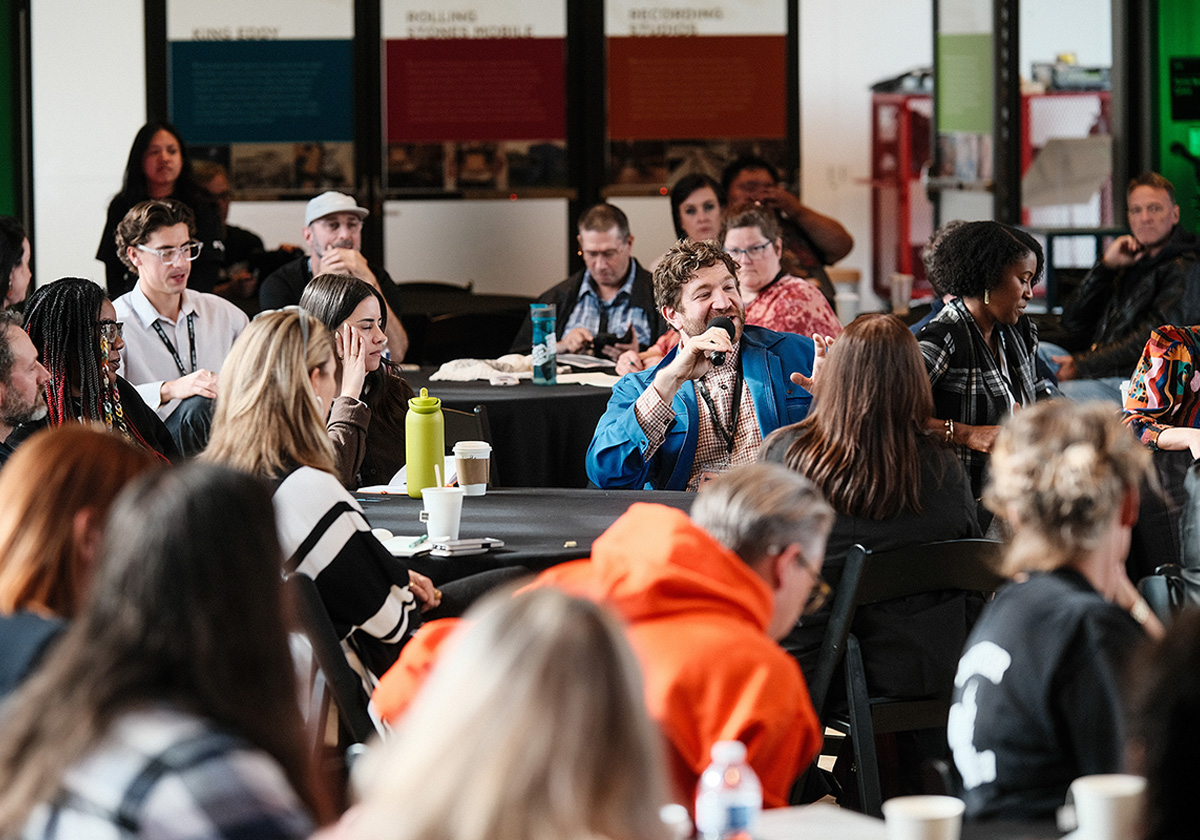
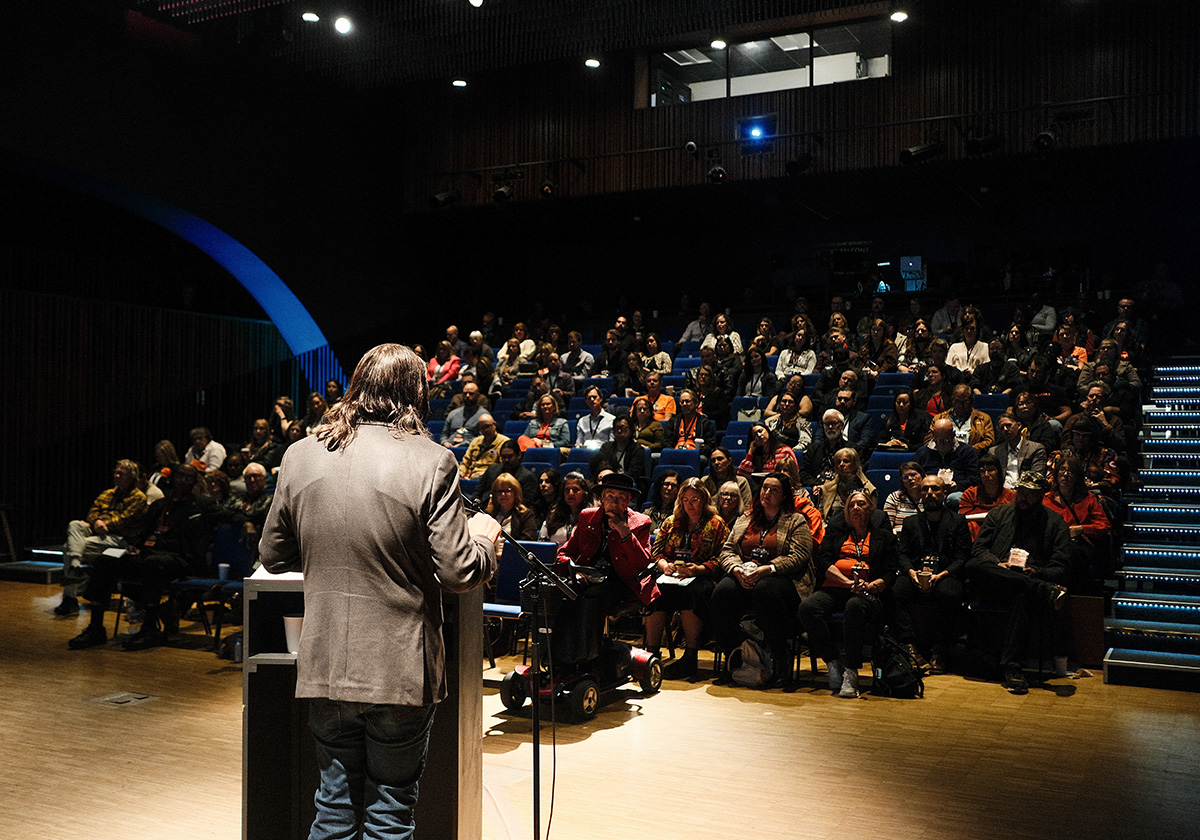
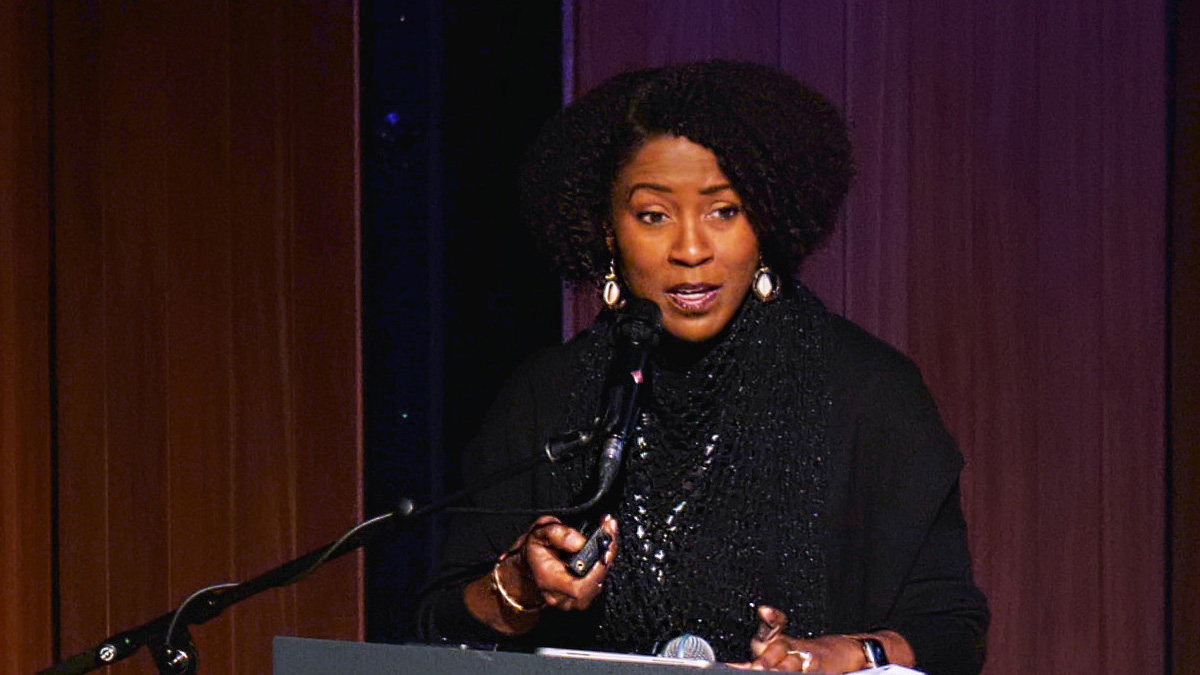
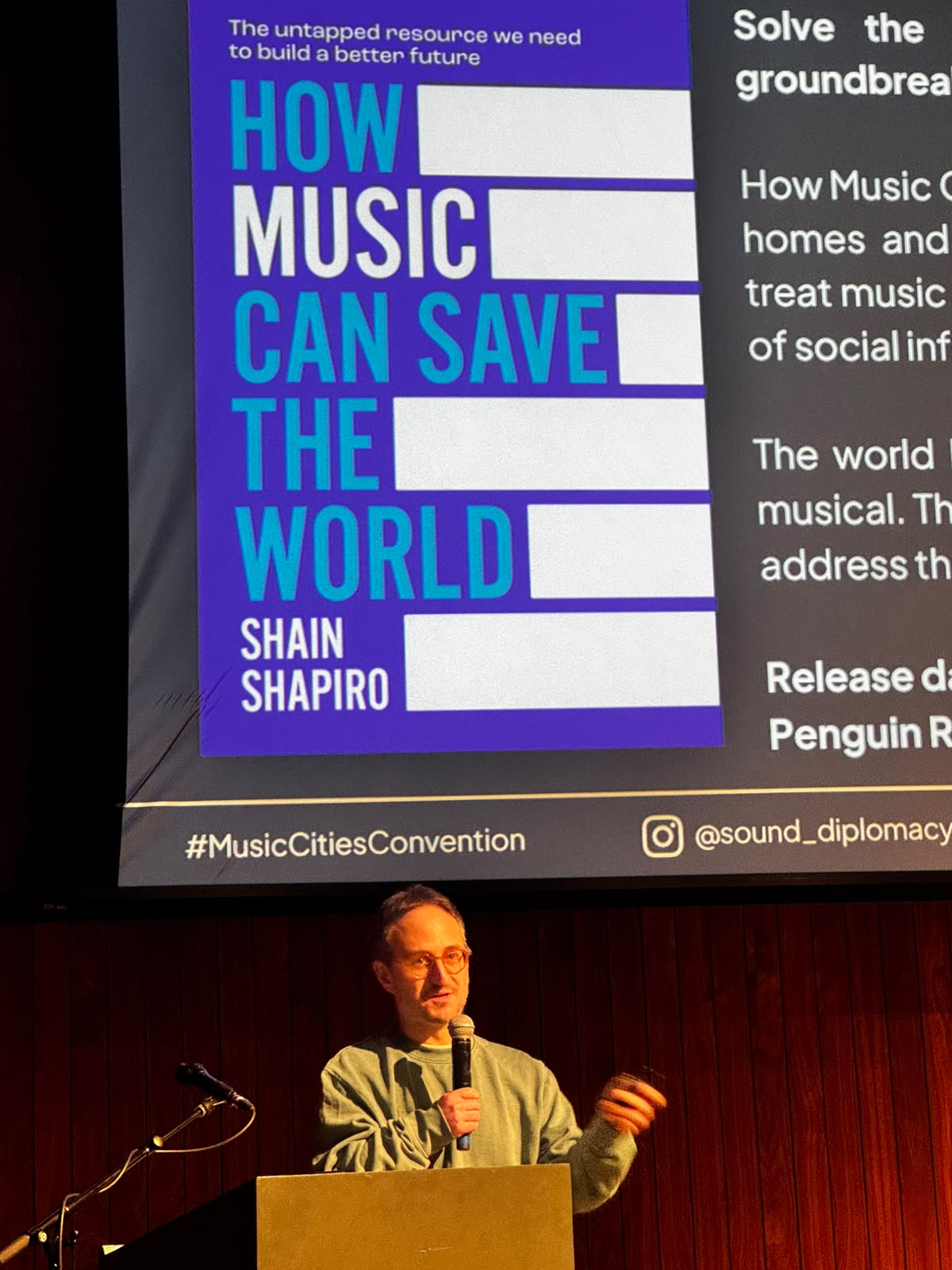
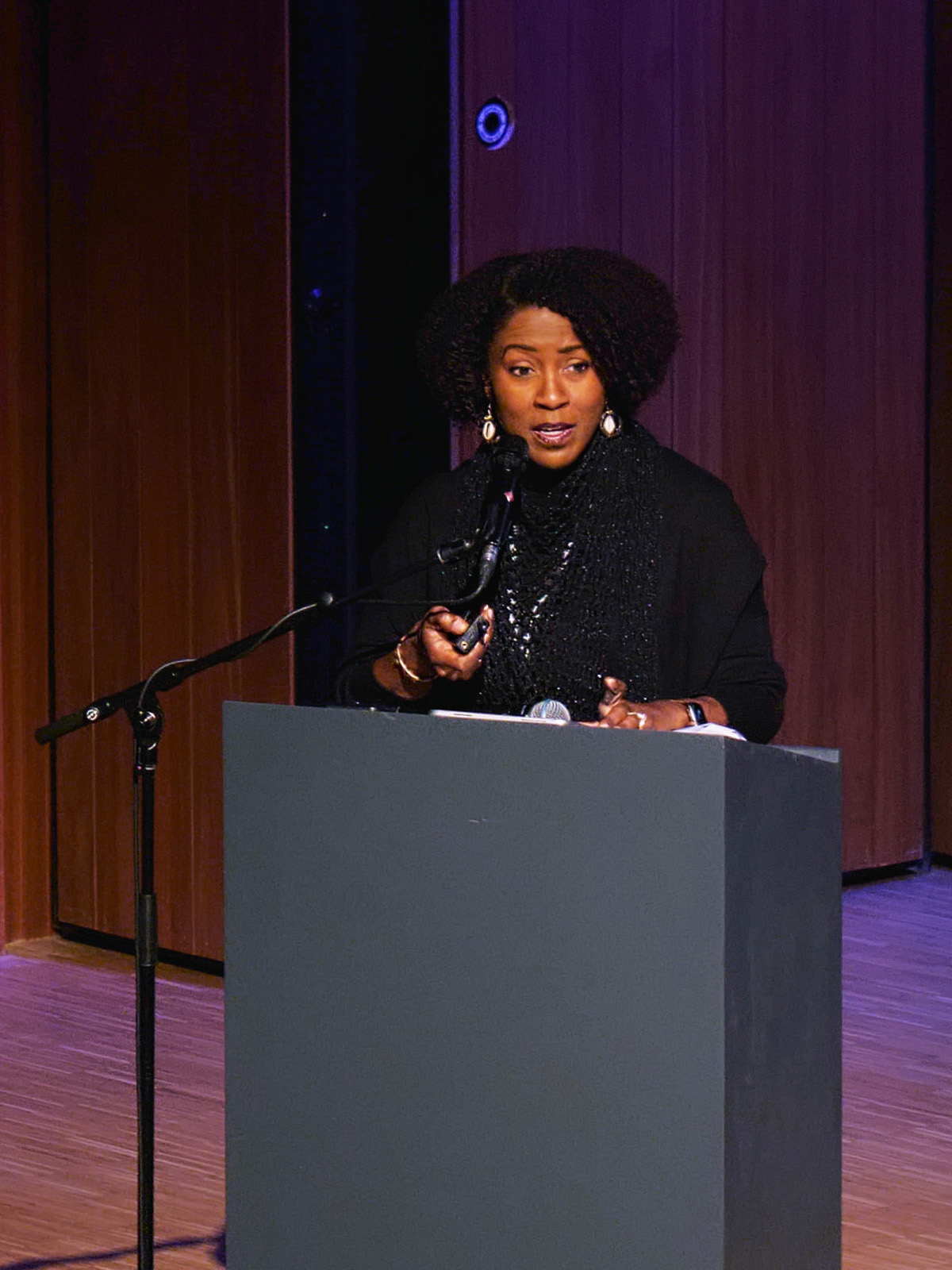
Last week in Alberta, Canada, Sound Diplomacy hosted the Music Cities Convention. I presented on Kingston; the soundsystems, the street dances, the studios, Carnival, festivals, a UNESCO Creative City designation and the legacy of our musical icons. Then came the hard part: explaining why a city like Kingston with six genres of music to its name captures so little of the value that it creates.
Do I think that music can save Kingston? Not on its own. But the cities that are succeeding, treat music as economic infrastructure not entertainment, and Kingston just hasn’t gotten there yet. We have the talent, the authenticity, and the global demand for Jamaican artists and experiences, but we are not treating music as an asset requiring an intentional strategy, deliberate investment and sound management. Jamaica has not built the systems that would allow music to drive our economy forward.
What Other Cities Do
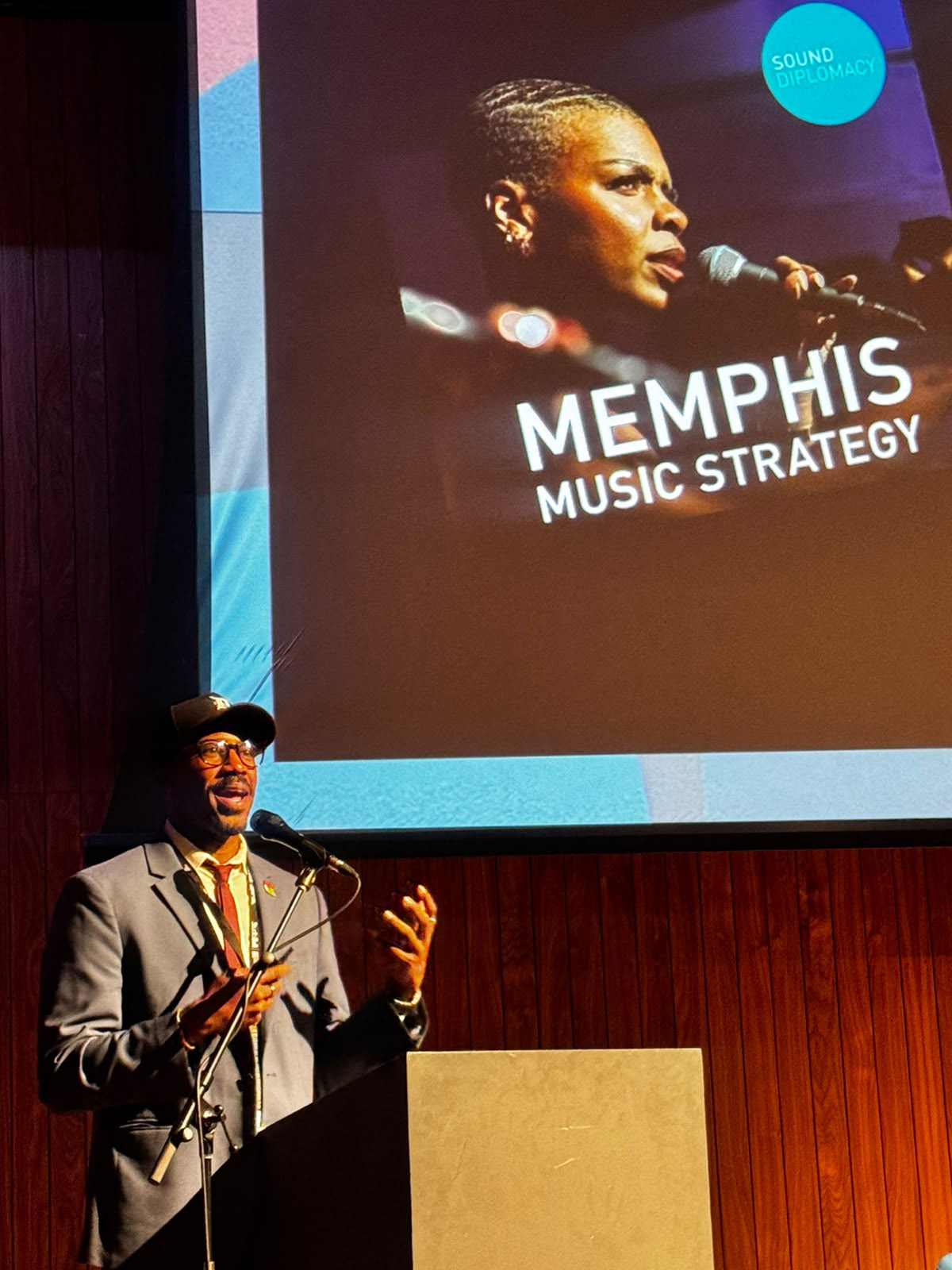
The delegates from Abu Dhabi, Memphis, Nashville, Dallas and Toronto shared their success stories and what has worked for them. Many started by commissioning an analysis of their music economy and night economy. Funds coming from the tax on hotel and visitor revenue are used to pay musicians to perform. In some municipalities, the city handles bookings and promotes the events, ensuring that in their city, live music happens every night of the week. Some Mayors host round tables to speak to musicians, venues and their teams in order to understand the pain points. In other cities they have established Music Offices which manage all aspects of music and even implement mentorship programmes to close the generation gap between artists. Some cities have a Festivals Fund, (something that I have long argued that Jamaica needs) and waive permit fees, and offer touring grants for artists who travel and serve as ambassadors for their city. If this sounds like a fantasy, let me assure you that this is just the tip of the iceberg in terms of how cities are leveraging music to their benefit.
The Value Gap
We are well positioned,
because Jamaica, as a country, is already a well-known brand. We have Reggae Month, Brand Jamaica, Carnival, Festivals and existing Government support, but there are some gaps where with a little investment, we could reap huge rewards. Millions travel to Jamaica for the culture, but the value is concentrated on the North Coast. The resorts of Ocho Rios, Negril and Montego Bay shape most visitors’ experience of our culture, and in recent surveys, customer feedback tells us that the culture feels “watered down.”
In 2025, we welcomed 4.3 million visitors, many of whom want to experience Jamaica’s authentic music, but only 22% of visitors arrive in Kingston, where the music is made. If we want visitors to continue to come to Jamaica for music, we have to make sure they don’t just get a softer, diluted taste of our culture. That means giving them reasons to venture beyond the resort gates and visit other parts of the island, including the epicentre of our music culture – Kingston.

We only have a handful of dedicated live music venues and these need to be increased. A major investment in a large music venue has its place, but small independent venues are the lifeblood of a music city. A city needs places for musicians to play at every stage of their career, as they move up the music ladder. Related to music is the dance, and dancers travel from around the world, staying in dancehall hostels, practising in studios by day and then honing their skills in the street dances at night but this niche is surviving with little to no formal support.
Large festivals and concerts attract thousands of fans, with great spillover effects for the rest our economy, like hotels, restaurants and transportation. But these concerts are costly to stage and must compete for space in sports stadiums or parks. Jamaica Carnival, an indisputable success story, attracts over 20,000 visitors and earns over US $1.54 million annually – this is clear evidence of what organised, supported cultural programming can do, and we should build a dedicated venue and establish a Festival Fund to ensure that more large concerts and music festivals can be staged in Kingston.
Kingston attracts international artists who come to record in our studios and visitors that love our vinyl shops. At Rockers International, the evidence of global pilgrimages is literally written on the walls. Yet the formalised tour and music museum offering is thin in comparison to the number of global icons that Jamaica has produced.

The most important takeaway from Sound Diplomacy’s Music Cities Conference was one of framing. Cities that are seeing results no longer look at music as entertainment, they speak of it in terms of infrastructure and economic development. Even cities whose economy is driven by the tech industry, state that they still have to provide the type of cultural environment with live music in order to attract and retain a top tier workforce.
If music is seen as an economic driver, then we need to start measuring the links between music and GDP. We must start counting the spillover and multiplier effects from music, which are the additional spending and activity around the events earned by others. From music we also achieve the benefits of Downtown regeneration, business growth, jobs and most importantly, the improved safety that comes with Art Districts and active, well used public spaces.
Reframing music as an economic driver means tackling workforce development because artists have to be able to thrive and to find their team; the managers, sound engineers, promoters, lawyers, producers and venue operators that they need to build their careers. It’s not just about the talented lead singer or the superstar musician. The entire music workforce needs to be developed, so that our best talent has the professional support here at home.
Here are three practical suggestions to move us forward.
- JAMPRO should appoint a Music Commissioner, an advocate and driver for the music industry who can commission a baseline economic study on music, connect artists to export opportunities, deliver a dedicated live music venue and create the Festivals Fund
- The Kingston and St. Andrew Municipal Corporation (KSAMC) could establish a Music Office, staffed with a person responsible for embedding music into city life, collecting data and facilitating music events.
- The Jamaica Tourist Board and the Tourism Enhancement Fund already know the power of music. They could establish a Live Music Fund that directly books and pays musicians to perform, to ensure that Kingston offers live music every night of the week.
Our nation is known not just generally for culture, but specifically for music. The question is whether we are prepared to invest with the seriousness that other cities with far fewer assets have already shown. Let’s convene the musicians. Let’s create the Music Office. Let’s appoint the Music Commissioner. Let’s publish the Live Music Calendar. Let’s pay our musicians to bring more music to our cities. Let’s stop talking about the potential of music and start taking action to make it happen.